Category: Uncategorized
-

Why the UN tax convention offers the best hope for securing transformative climate finance
Longread: The COP29 outcome shows that securing climate finance requires serious reforms in global debt and taxation governance. It also highlights the need to reframe the core demands of grant-based climate finance, debt cancellation, and progressive taxation, as key components of climate justice. The UN tax convention offers a promising start in this process.
-

Tax Haven Ireland: Financial indicators and new research highlight growing role in facilitating global corporate tax abuse
Surging corporate tax revenue largely due to multinational profit shifting, together with new research on loopholes in national tax jurisdictions, highlight Ireland’s growing role in enabling corporate tax abuse.
-

Taxing the super-rich: Remedy to the twin crises of climate change and extreme inequality
A global wealth tax is urgently needed, not merely in order to raise the necessary funds to invest in renewable energy infrastructure and build climate resilience, but to address the crisis of extreme inequality that fuels climate change.
-

Carrefour : la stratégie de jackpot du PDG et les actionnaires du groupe
La rémunération colossale d’Alexandre Bompard, s’élevant à 9,75 millions d’euros au titre de 2023, révèle un alignement toxique des intérêts du PDG et les actionnaires du groupe, au détriment des droits sociaux des travailleurs.
-
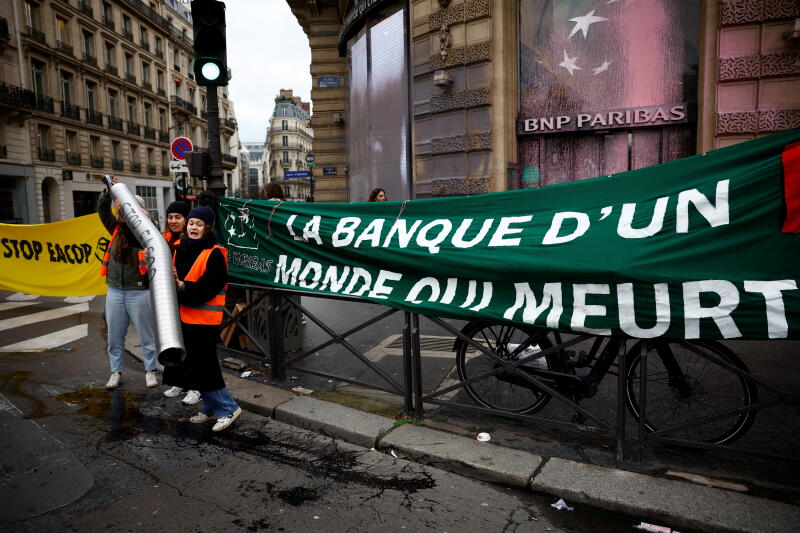
Comment les plus grandes banques continuent de financer l’expansion des énergies fossiles sans entrave
Le cadre mis en place par la coalition internationale créée pour réduire l’empreinte carbone des banques, contient d’importantes lacunes permettant à ces dernières de continuer leurs investissements fossiles sans entrave.
-
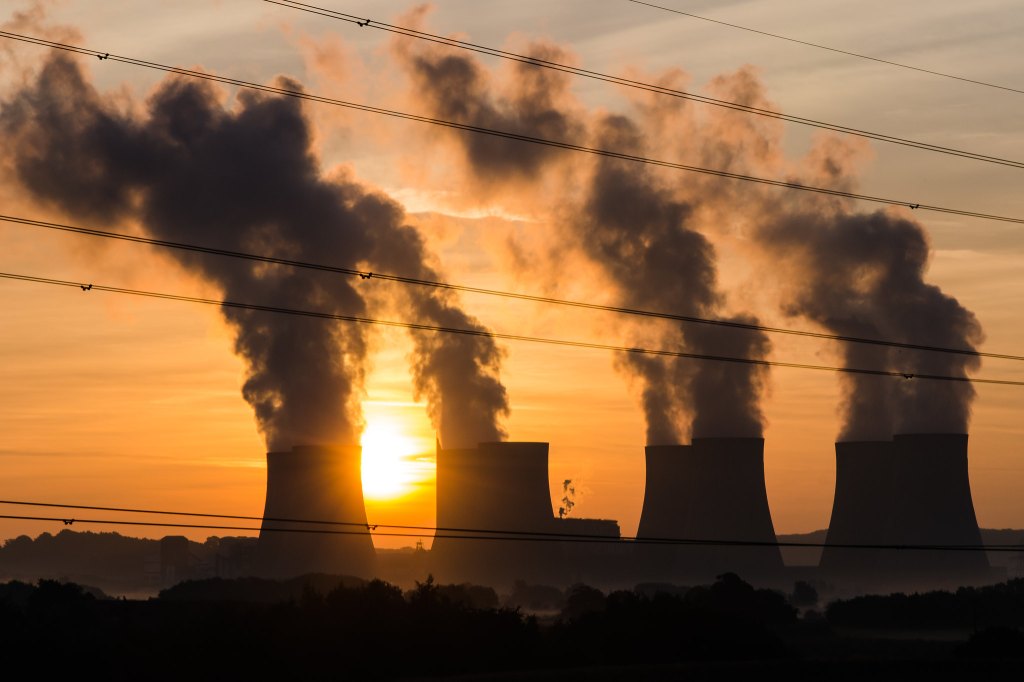
“Sustainable” funds: The booming financial market ripe for greenwashing
ExxonMobil and TotalEnergies, fossil fuel giants currently planning some of the most environmentally destructive projects, have received over a billion euros of investments through funds with alleged “Environmental, Social and Governance” objectives under current EU regulations.
 International Political Economy Watch